Field guides
Species I'm still looking for, written up to open on my phone on the trail. Guides stay put after I find the plant and link over to its collection.
 Target
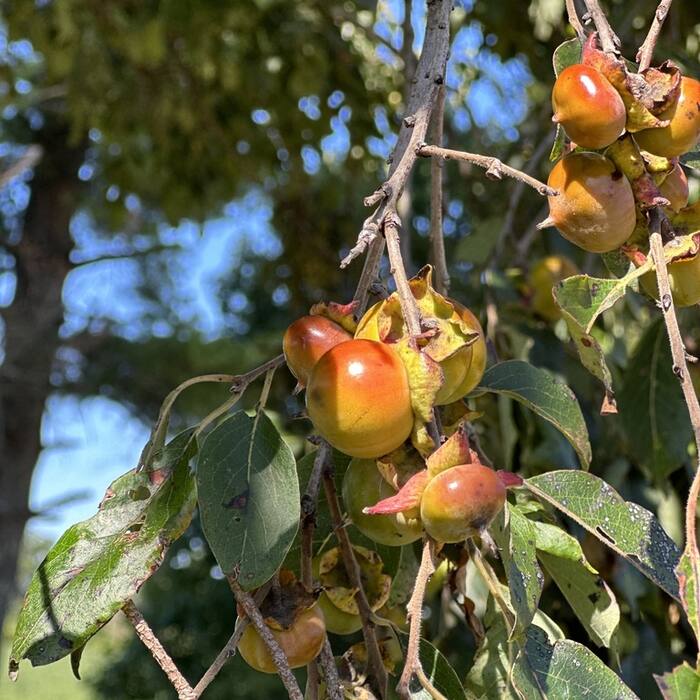
American persimmon
Diospyros virginiana
Old-field tree with checkerboard bark. Fruit turns sweet after frost and the seed comes up easily.
When: Oct–Nov. Pumpkin-orange fruit hangs on bare or yellowing branches after leaf drop; fall foliage runs yellow to reddish-purple
 Target
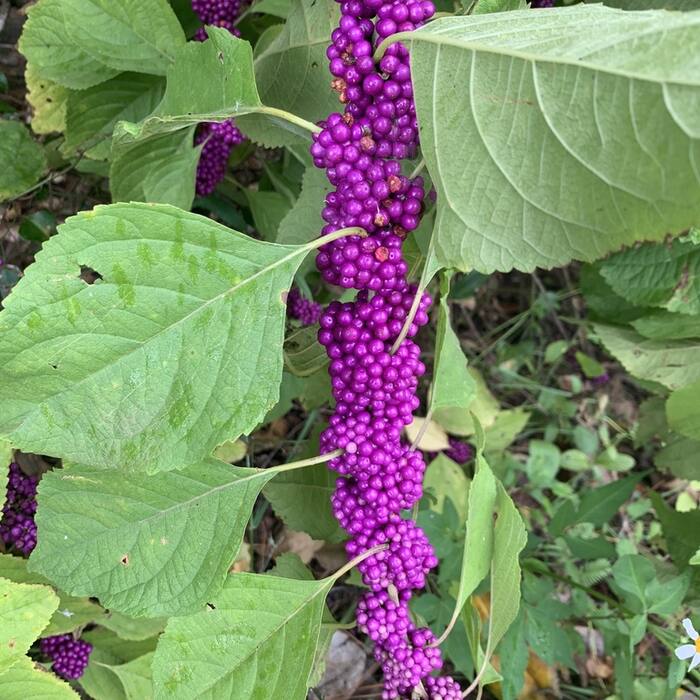
American beautyberry
Callicarpa americana
Magenta berry rings clasped tight to the stem at every leaf node. About the easiest native shrub in NC to spot, and simple from seed or cuttings.
When: Late Aug – Oct. Nothing else looks like tight clusters of glossy magenta-violet berries whorled around the stem at each leaf node; foliage fades to pale chartreuse as the fruit peaks.
 Target
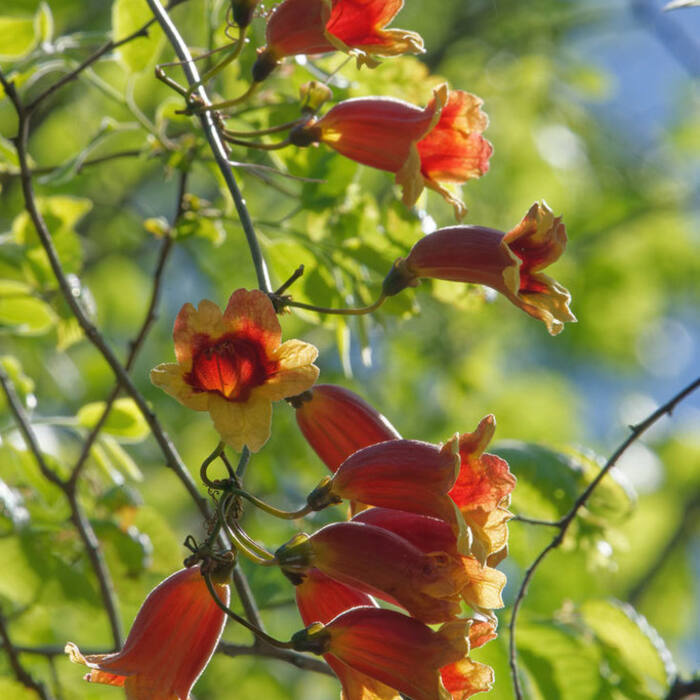
Crossvine
Bignonia capreolata
Reddish-orange trumpets high in bottomland trees in April. Flat brown pods come off in late summer.
When: Apr–May. Clusters of 2-inch reddish-orange and yellow trumpet flowers high in trees and along edges make it obvious; semi-evergreen foliage flushes purple-bronze in winter
 Target
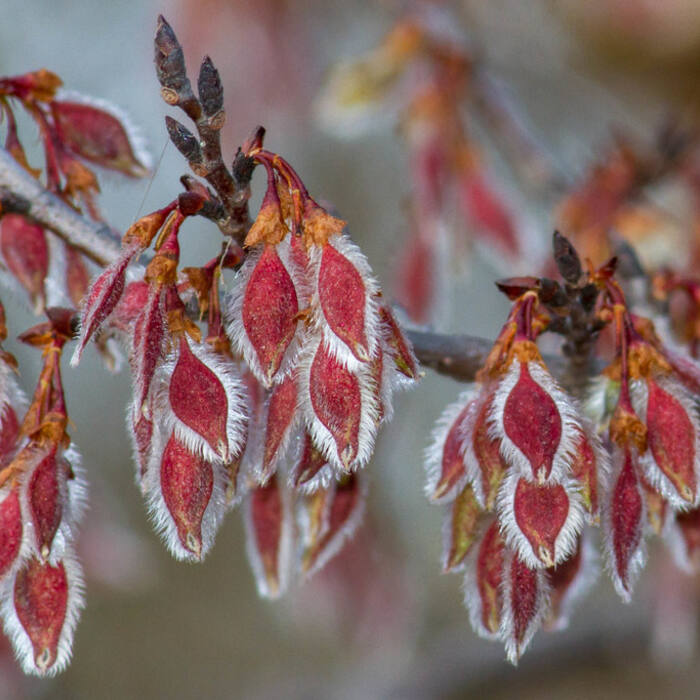
Winged elm
Ulmus alata
The corky-winged elm of Piedmont uplands. Its samaras ripen in spring and have to be sown fresh.
When: Feb–Mar for the dense reddish flower clusters on bare twigs. Mar–Apr the whole crown fuzzes with pale reddish-tan samaras, which is the collectible cue. Dull yellow-green in fall, nothing showy.
 Target
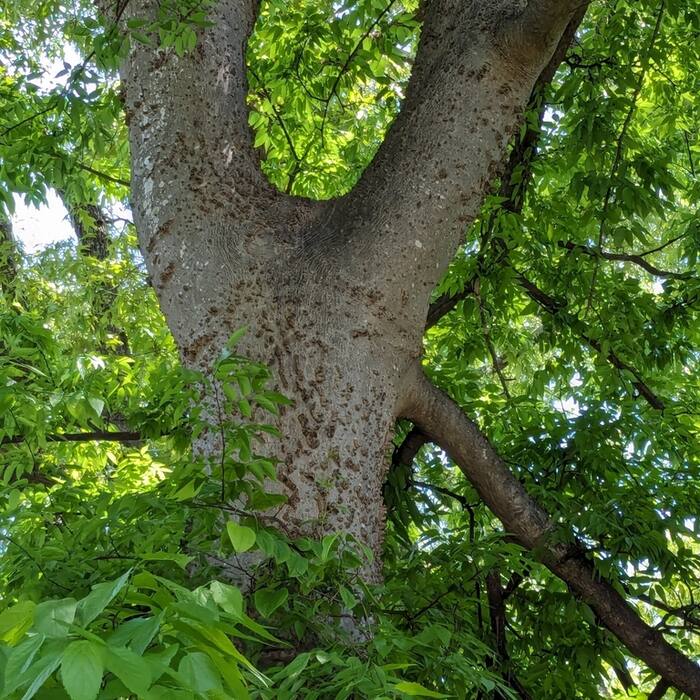
Hackberry (Sugarberry)
Celtis laevigata
Warty-barked floodplain tree of the Piedmont bottoms. Sweet orange drupes, and seed that all but grows itself.
When: Sep–Nov. Small orange-red to purplish-brown drupes stud the twigs and persist into winter. Soft pale-yellow fall foliage and pale gray corky-warted bark make it easy to pick out along bottomland edges
 Target
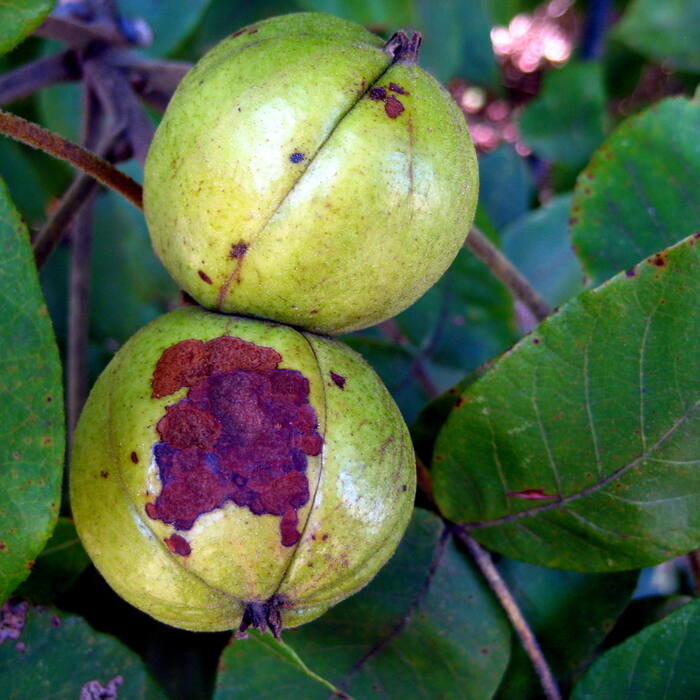
Mockernut hickory (Piedmont hickories)
Carya tomentosa
The most abundant hickory in the Piedmont. Big tan buds, fuzzy leaves, thick-husked sweet nuts, plus how to separate it from pignut, shagbark and bitternut.
When: Late Sep – Oct. Nuts ripen and 4-part brown husks drop to the trail; golden-yellow fall foliage peaks in October and lights up the canopy. Scan the ground under ridge-top trees
 Target
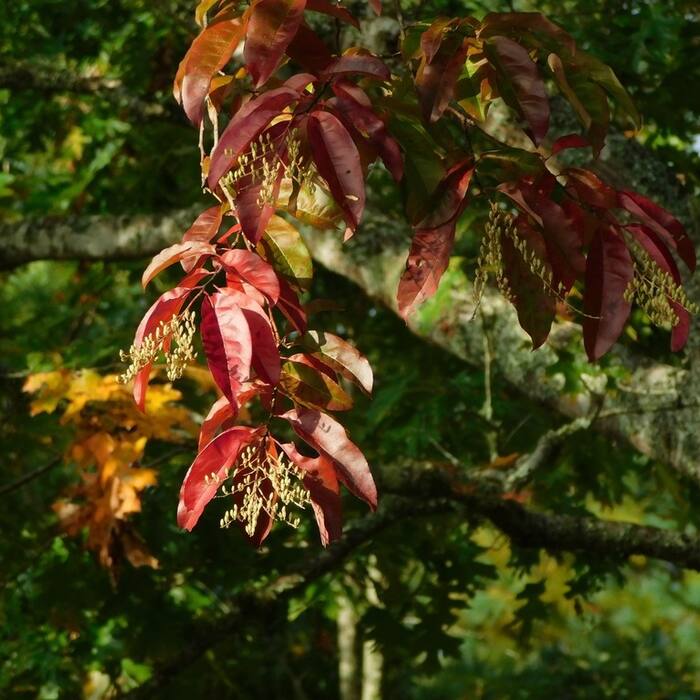
Sourwood
Oxydendrum arboreum
Sour-leaved heath tree. Drooping white sprays in July, crimson early in fall, dust-fine seed shed from silver-gray capsules through winter.
When: July for the drooping white flower sprays. Late September into October for the early crimson-scarlet fall color that lights it up in the understory. October–November for the persistent silver-gray seed capsules
 Target
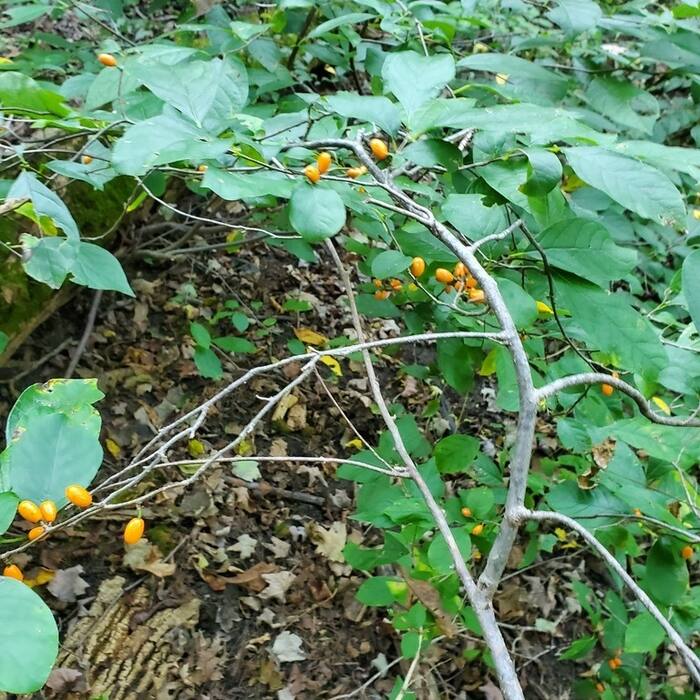
Northern spicebush
Lindera benzoin
A crushed leaf smells like allspice and citrus. Scarlet drupes in early fall, on female shrubs only.
When: Late Aug–Oct. Scan streamside understory for clusters of glossy scarlet-red drupes; they ripen green to red through late Aug–Sep and are usually stripped by birds by late Oct. Foliage turns clear butter-yellow in fall. For scouting and ID only, early Mar–Apr shows leafless twigs fuzzed with tiny yellow flowers.
 Target
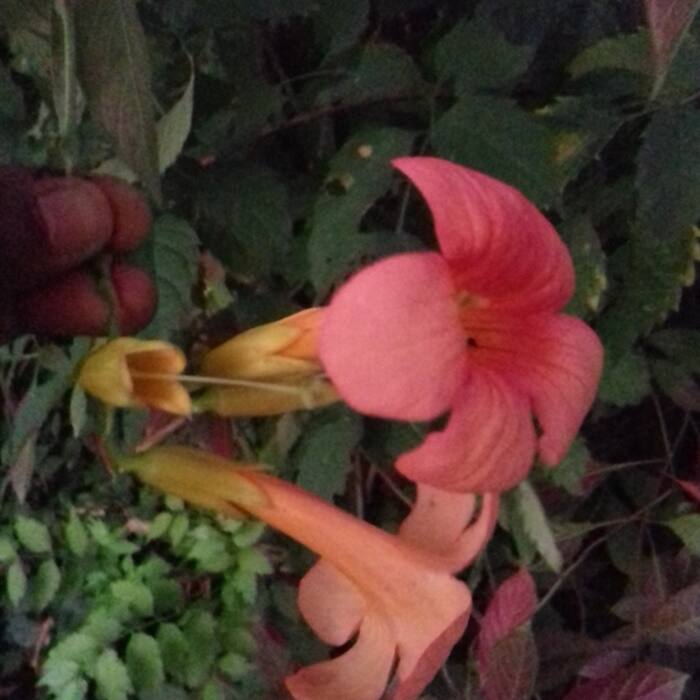
Trumpet vine
Campsis radicans
Orange trumpets on Piedmont fencerows. Trivially easy to grow, genuinely hard to contain.
When: Jul–Aug for the orange-scarlet trumpet clusters; Sep–Oct for the brown, splitting seed capsules
 Target
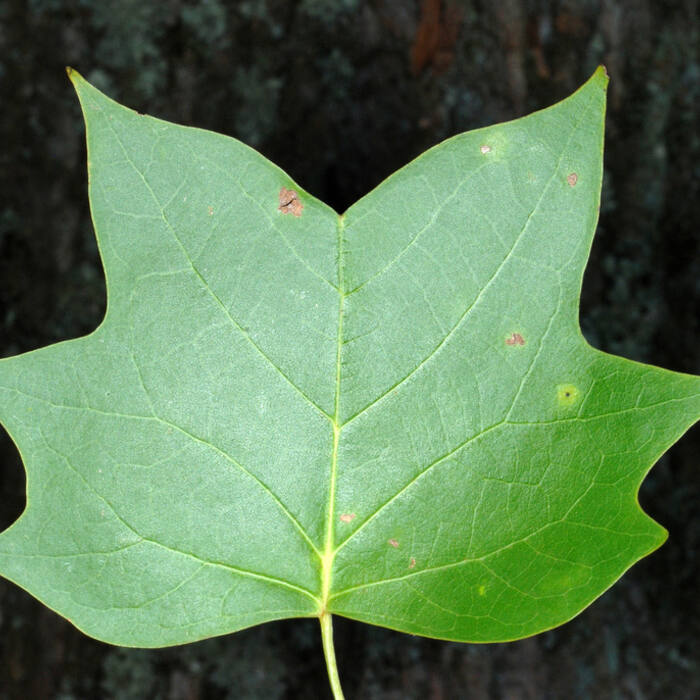
Tulip tree
Liriodendron tulipifera
Tallest hardwood in the Piedmont. The cones look loaded but most of the samaras are hollow, so cut-test before stratifying.
When: Oct–Nov to collect ripe straw-brown cones, though samaras persist on the twig into winter. Apr–Jun for the greenish-yellow tulip flowers; Oct for clear-yellow fall foliage that lights up the canopy
 Target
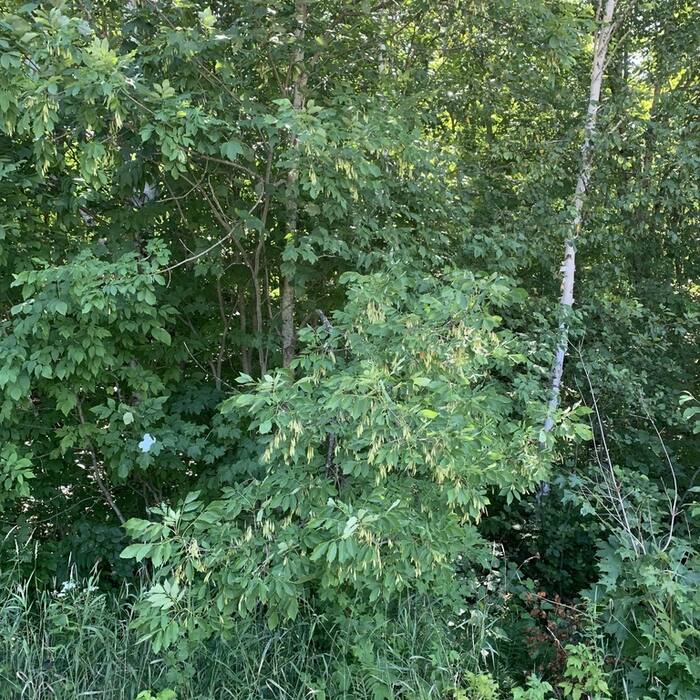
White ash
Fraxinus americana
An upland canopy tree on its way out. Worth collecting samaras from healthy females while they're still standing.
When: Sep–Oct for drooping clusters of tan-brown paddle-shaped samaras on female crowns. Late fall foliage turns yellow to maroon-purple, visible from a long way off
 Target
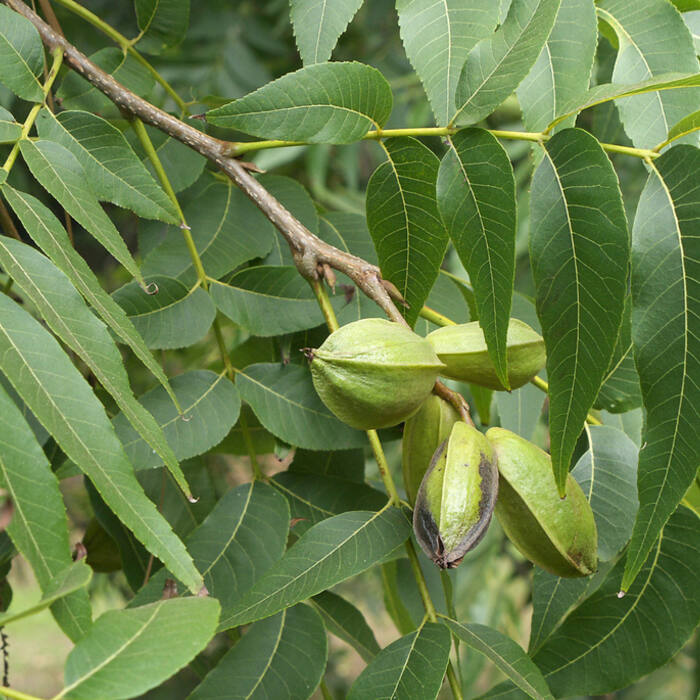
Pecan
Carya illinoinensis
The biggest hickory, and the only one worth planting for the nut. Seedling pecans grow straight from the shell, no grafting required.
When: Oct – Nov, when husks turn brown and split into 4, dropping thin-shelled nuts to the ground and the foliage goes clear yellow. Scan the ground under big pinnate-leaved trees on bottomland and around old homesites
 Target
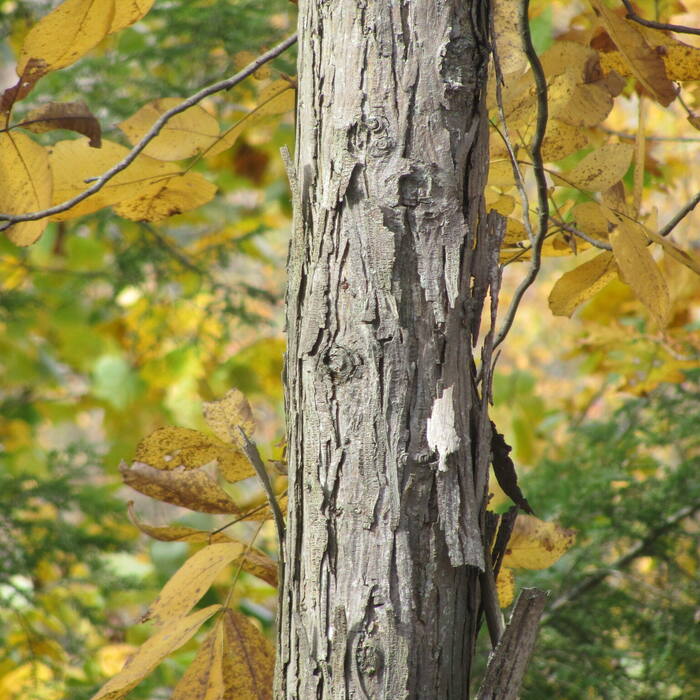
Shagbark hickory
Carya ovata
Peeling plate bark you can read from fifty yards, five leaflets, and the sweetest nut of any wild Piedmont hickory.
When: Sep – Oct, when 4-parted husks brown and drop the sweet nuts and the canopy turns clear golden-yellow (peaking Oct). The bark reads year-round: a tree hung with foot-long peeling plates is a shagbark in any season
 Target
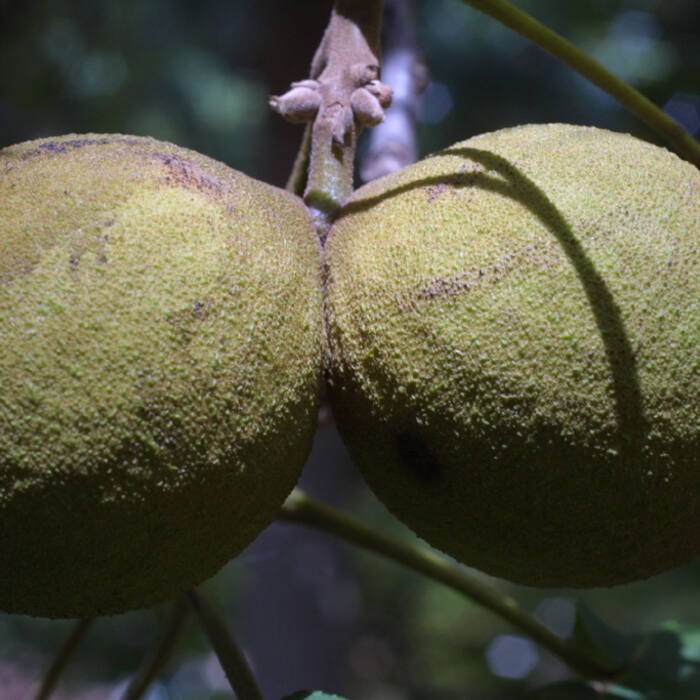
Black walnut
Juglans nigra
Bottomland giant with ink-staining nuts and a ladder-rung twig pith nothing else fakes.
When: Sep–Oct is prime: husked green nuts litter the ground, and black walnut is one of the first trees to drop its leaves, so a bare, nut-strewn crown stands out while everything else is still green. Leafed-out (May–Aug) the fragrant many-leaflet fronds are easy too, if you look up.
 Target
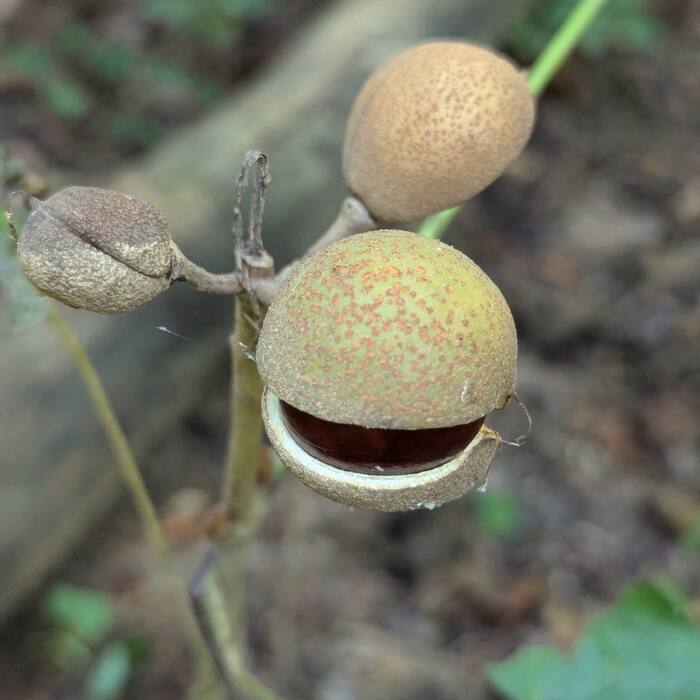
Painted buckeye
Aesculus sylvatica
Runs its whole year early. First to leaf out in March, first to go orange in August, and its tan capsules are splitting right now over seeds that die if they dry.
When: Late Jul through Sep, peaking mid-Aug to mid-Sep. An early plant: capsules ripen while the rest of the Piedmont is still deep green, and the shrub is bare by early September. Late August is the sweet spot, orange foliage still flagging the plant and the seed not yet fallen
 Target
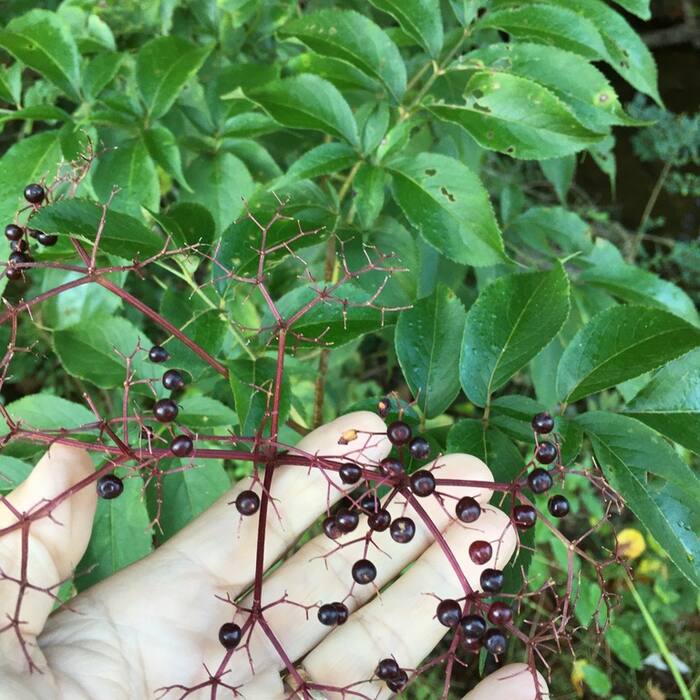
American elderberry
Sambucus canadensis
Sunny wet edges on the Haw are hung with drooping purple-black berry plates right now, and the canes root from a stick in a bucket.
When: NC fruiting records peak Jul–Aug and collapse by October. Of iNaturalist's annotated North Carolina observations, August is the single biggest month, September drops by half, and October is zero. Flowering was May–June. Berries hanging on the Haw in the third week of August are at or just past peak, and catbirds and cedar waxwings strip a bush in days
 Target
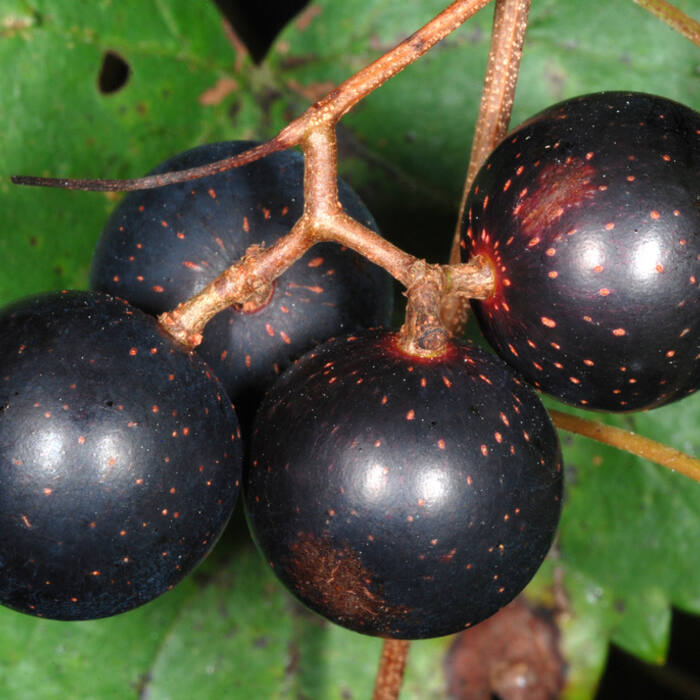
Muscadine
Vitis rotundifolia
The one wild grape callable in a single second: its tendrils don't fork. Tight warty bark, palm-sized round leaves, and a few enormous thick-skinned berries that drop to the trail one at a time.
When: Aug – Sep, tailing into Oct. Weakley gives fruiting as Aug–Oct and Will Cook puts NC ripening at Aug–Sep; commercial NC harvest runs late Aug into early Oct. Ripe berries drop individually, and I'll often smell the fermenting drop on the trail before I see the vine
 Target
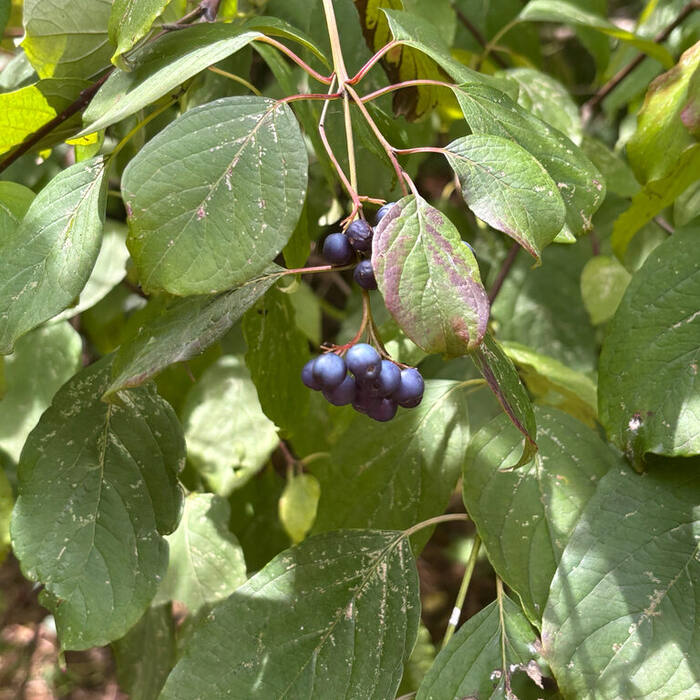
Silky dogwood
Cornus amomum
Porcelain-blue berries on red stalks, hanging over the water. Ripe this week, and its winter sticks root in a bucket.
When: Late Aug – mid Sep. Of 128 fruiting iNaturalist records for NC, 73 fall in August and 23 in September; the tail dies off hard by October, and migrating birds strip a bush in days
 Target
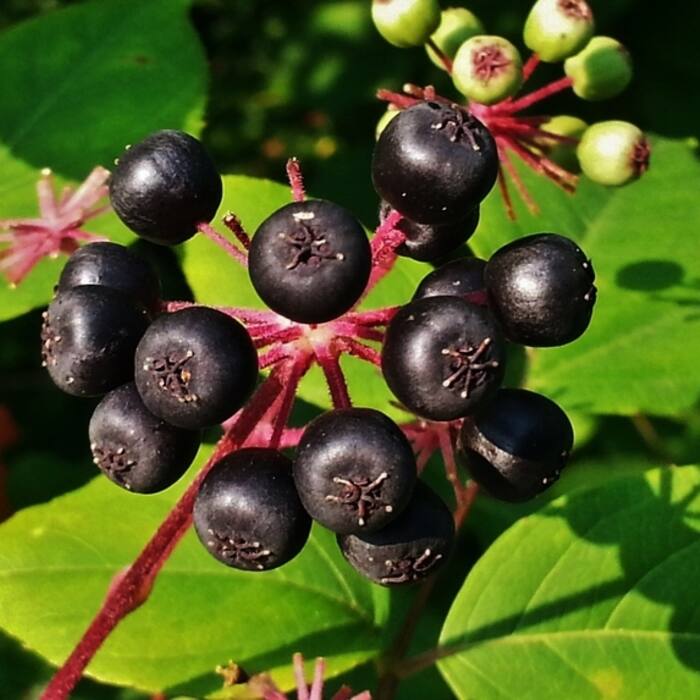
Devil's walking stick
Aralia spinosa
A spiny club of a trunk carrying the biggest leaf in temperate North America, topped in late summer by a three-foot cloud of white flowers.
When: Late Aug is peak flower (NC iNat flowering records peak in August) with green pea-sized drupes just setting. Ripe purple-black fruit follows mid-Sep – Oct. The plant is at its most findable of the year for the next six weeks; nothing else on the Haw puts a white haystack of bloom on a bare spiny pole
 Target
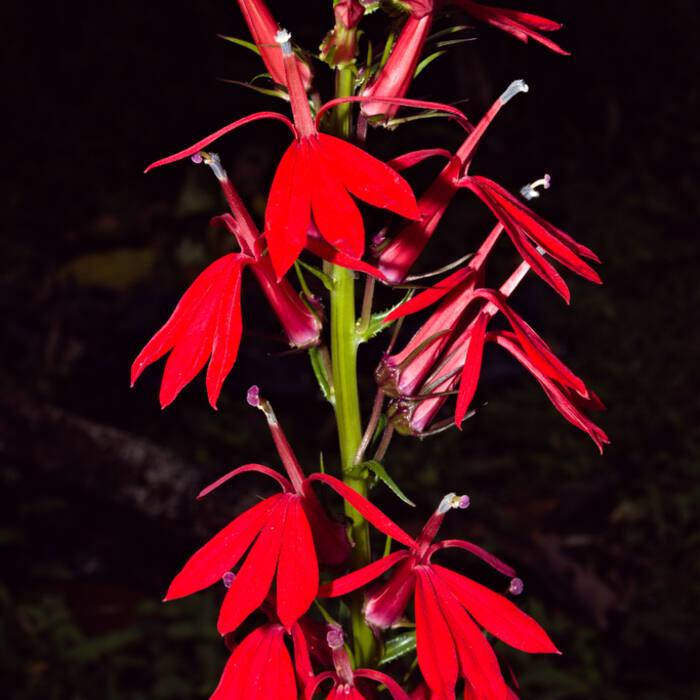
Cardinal flower
Lobelia cardinalis
A scarlet spike standing in wet mud, readable from a hundred yards. Peak bloom is this week.
When: Late Jul – early Oct, peak mid-Aug into the first week of Sep. NC iNaturalist week-of-year counts top out at week 34 (469 records) with weeks 33–36 the plateau: 1,784 August observations against 1,110 in Sep and 332 in Jul. September is the overlap month, flowers still open at the top of the raceme and brown capsules already at the base
 Target
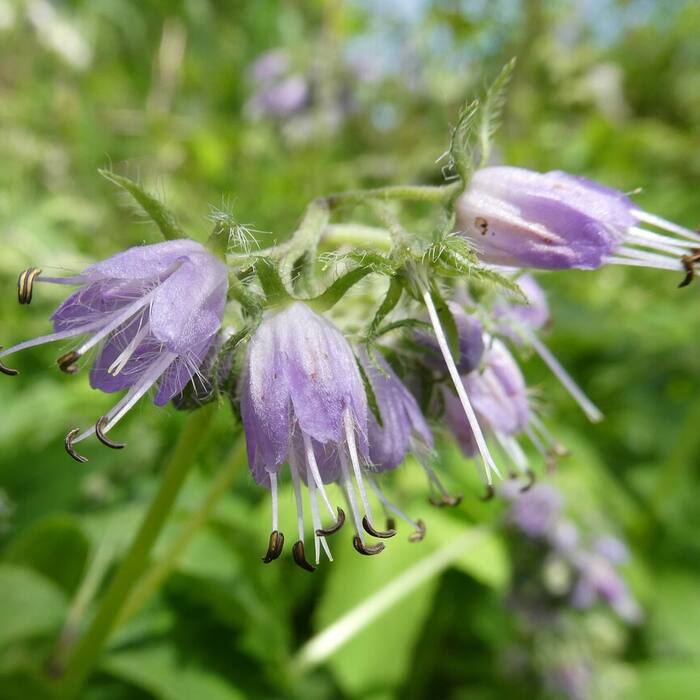
Virginia waterleaf
Hydrophyllum virginianum
Nothing above ground in August. April on a base-rich river terrace is the whole game, and there is no Person County record to work from.
When: April is the month in the Piedmont. 20 of the Piedmont herbarium sheets fall Apr 13–30 and 19 more run through May 16. Flowers sit on 10–15 cm peduncles above the foliage, so a colony reads as pale dots over a green carpet. Mid-Sep through Oct works for vegetative rosettes; three of the six Alamance iNat records and the 2020-09-13 NCU voucher are that window. Feb–Mar gives young leaves carrying the whitish watermarks. Nothing findable Jul through early Sep
 Target
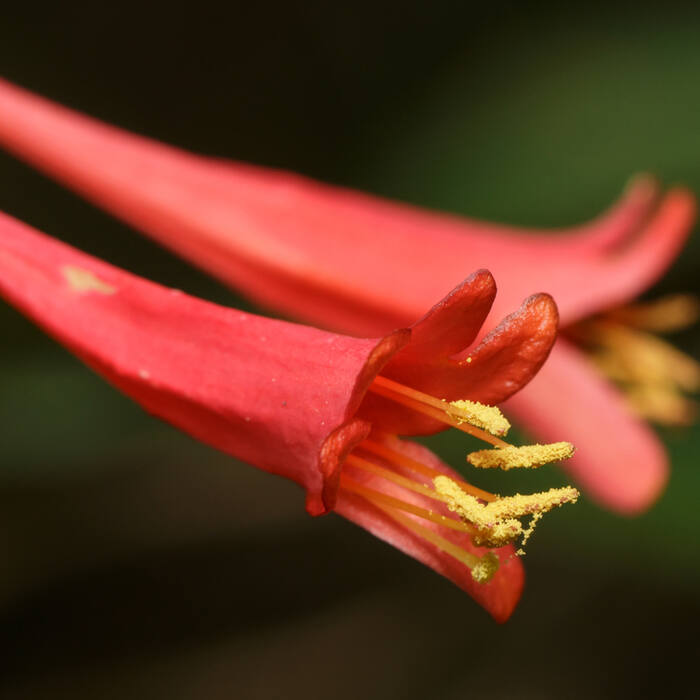
Coral honeysuckle
Lonicera sempervirens
The top leaf pairs fuse into a disc with the flower stalk rising through the middle. Nothing else on a Piedmont fencerow does that.
When: Late Mar – Apr is peak bloom and the only time the vine is genuinely easy to locate: NC logs 1,316 April iNaturalist records against 76 in August. Ripe fruit late Jul – Sep, tailing into Oct, with sporadic rebloom Jun – Nov. Winter works too, since it holds leaves and the dried fused discs and old whorled peduncles persist at the shoot tips
 Target
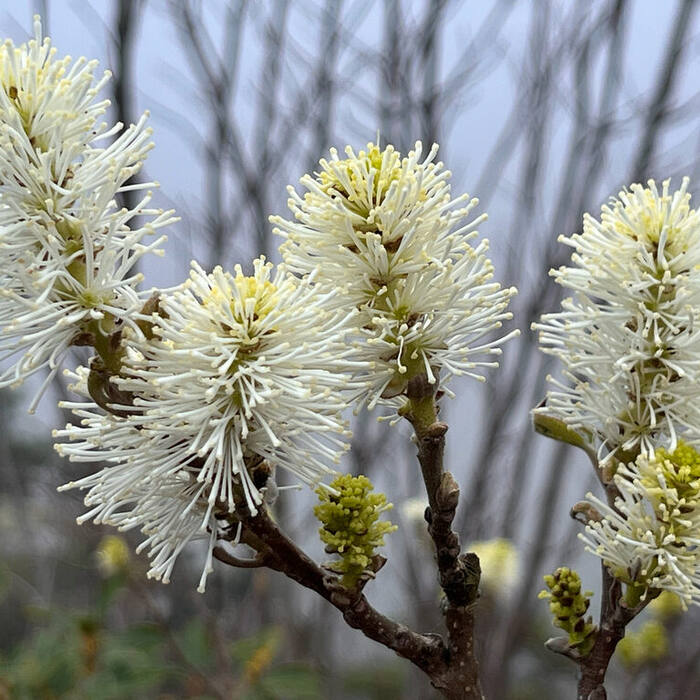
Large witch-alder
Fothergilla major
White bottlebrush spikes with no petals at all. A rare rocky-ridge shrub that is only obvious for three weeks in April.
When: Apr is the month. 62 of 134 NC iNaturalist records fall in April and there are zero flowering annotations after May. Mid Oct into early Nov is second choice, when the foliage goes yellow to orange to scarlet to burgundy, often several colors on one leaf, and capsules are still on the plant. Right now it is in fruit but visually silent: August is a trough of 6 NC records because plain green rotund leaves read as witch-hazel to nearly everyone
 Target
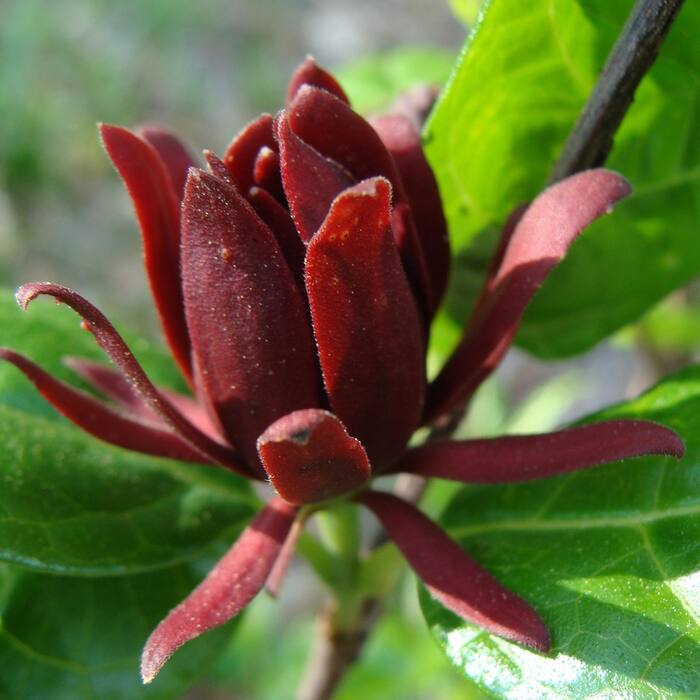
Carolina allspice
Calycanthus floridus
The one target on the list whose best collection week is right now. Leathery urn pods turning green to brown, with seed still soft enough to dent with a fingernail.
When: Mid Apr – mid May for flowers, sporadic into Jul. Aug – Sep for fruit, and the pods then hang on through winter and often into the following spring, so there is no drop deadline and no competition from birds. Late Aug is the single best week of the year to collect, for reasons in the body. Fall color is clear yellow, useful for spotting a clump in Oct
 Target
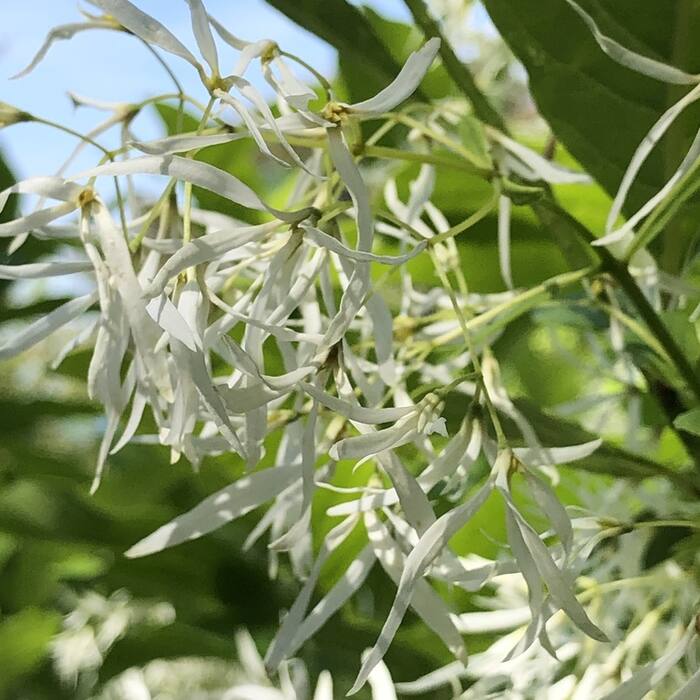
White fringetree
Chionanthus virginicus
Ripe now, and the birds are already working it. Half the trees are male and will never carry a single drupe.
When: Mid Apr – early May for flowers, which is the visit that tells you which trees are female. Fruit colors from mid Jul and is fully ripe by the first week of Aug at this latitude, holding into Sep. Right now is the collection window, and it is short: deer, turkey, quail and songbirds all take the drupes. One of the last trees to leaf out in spring, so a fringetree in late Apr can look dead when it is not
 Target
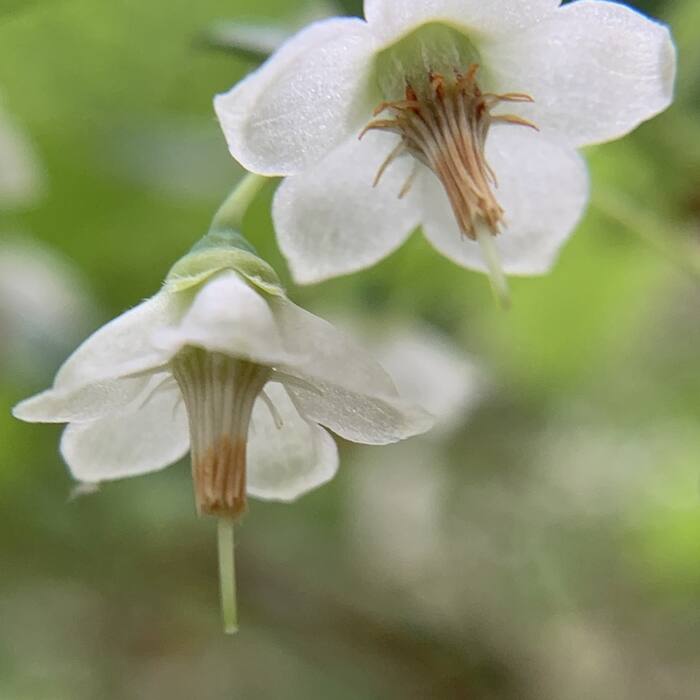
Deerberry
Vaccinium stamineum
The only Piedmont blueberry relative whose stamens stick out past the petals. Fruit is sizing up right now and ripe green is normal, so color tells you nothing.
When: Apr is the easy month. Piedmont flowering peaks the last week of Apr, and the exserted stamens make it unmistakable from off-trail distance. Fruit sets in May, is full-size and hard green through Jun and Jul, colors up in Aug, and peaks ripe in Sep into the first week of Oct. Right now sits at the front edge of the ripe window, so it is a good week but not the optimum
 Target
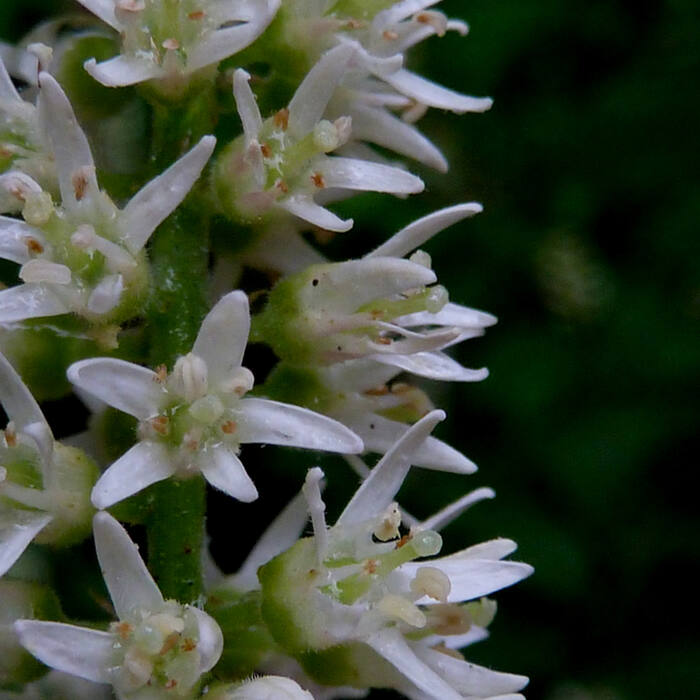
Virginia sweetspire
Itea virginica
Obligate wetland in the Piedmont, so anything more than a few metres from water is wasted walking. One trip in early fall gets both seed and cuttings.
When: May into early Jun is the one moment it is conspicuous from across a stream: white arching racemes covering the shrub. Late Oct into Dec is the second cue, when the colony still holds red, orange, gold and copper leaves after the rest of the streambank has gone bare. Capsules ripen Aug – Oct and hang on into the following year, so old brown capsules are usable for finding the plant in Mar but are empty by then
 Target
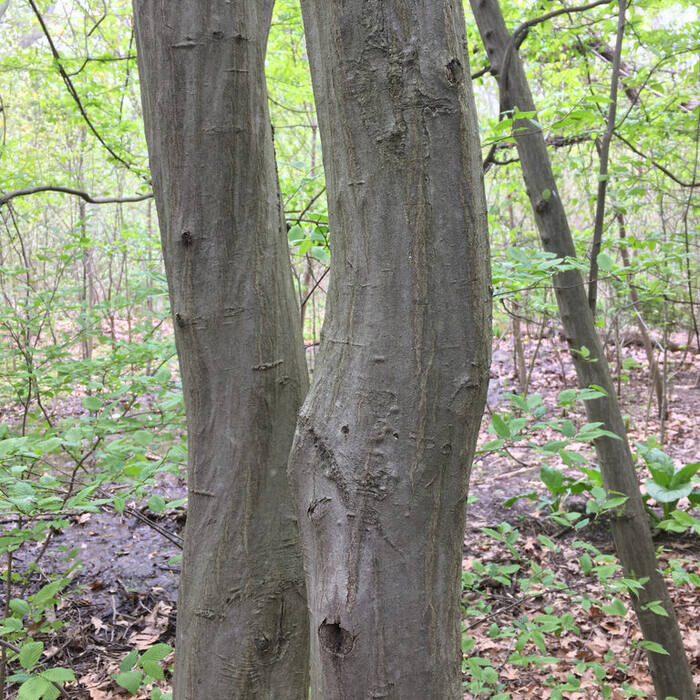
American hornbeam
Carpinus caroliniana
Smooth blue-gray trunk with muscle-like flutes, down in the creek bottom.
When: Aug – Oct for the bract chains; the fluted trunk works year-round
 Target
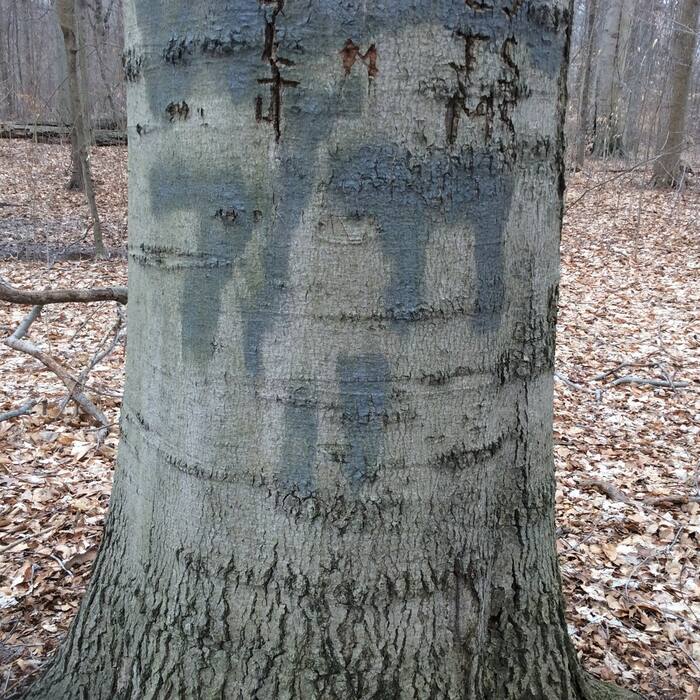
American beech
Fagus grandifolia
Pale gray columns that stay smooth at any size, with a ring of clones around them.
When: Sep – Oct for nuts; the bark and marcescent leaves work all year
 Target
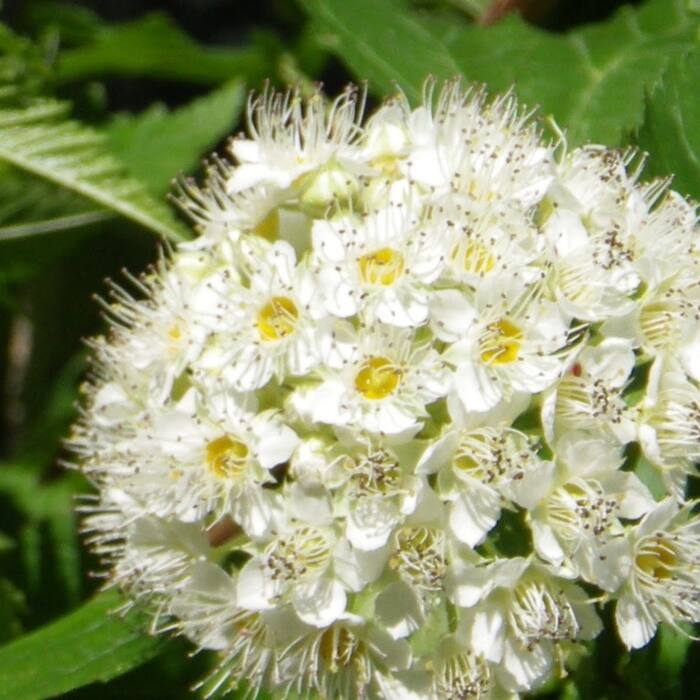
Common ninebark
Physocarpus opulifolius
Papery peeling bark on scoured river rock. Nothing wild recorded anywhere near Roxboro.
When: May for bloom in the Piedmont, the only stage readable at 30 m. Jun – Jul in the mountains. Red follicle clusters follow, but they are display, not ripe seed.
 Target
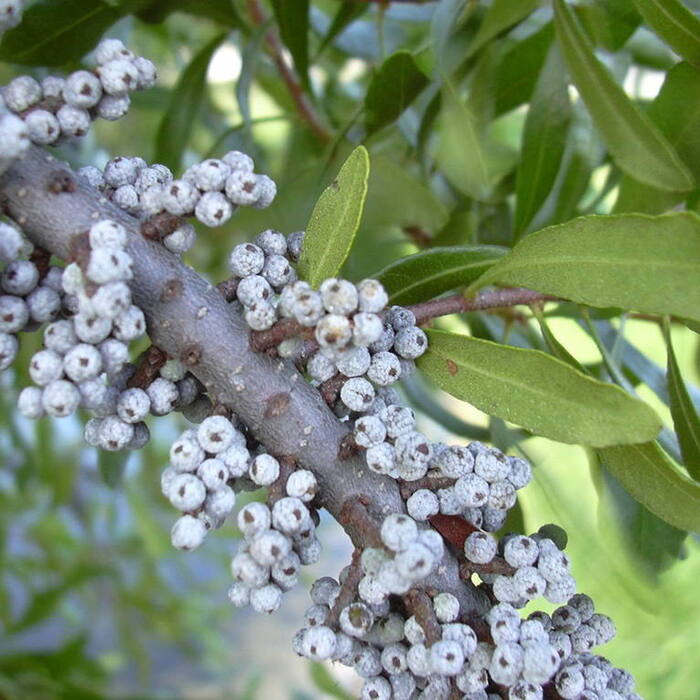
Southern wax myrtle
Morella cerifera
Crush a leaf and you have it. Waxy gray fruit is on the wood right now.
When: Aug – Oct, while the waxy gray fruit sits on last year's wood
Harvest calendar 6 species
Best window for each collection's seed or cuttings. I plan return trips off the bars.
Collections
6 plant groups collected, identified, and worked up for propagation.
 01
01
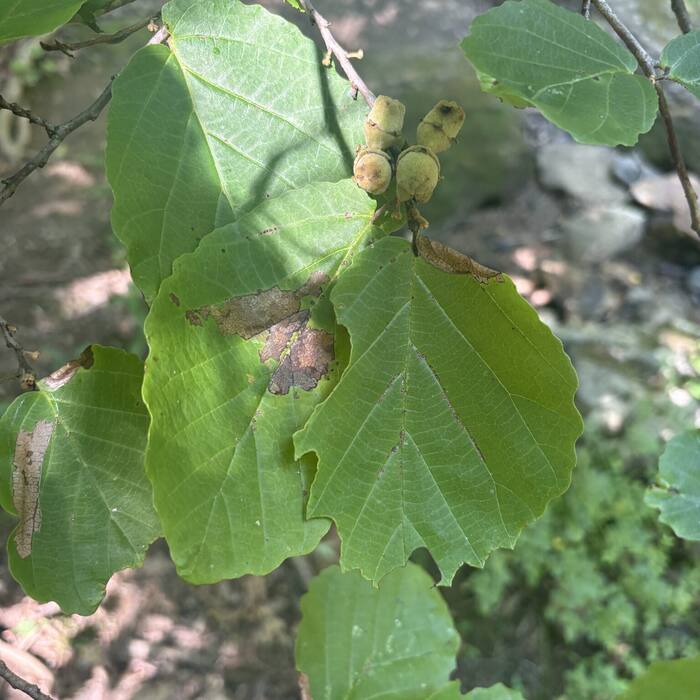
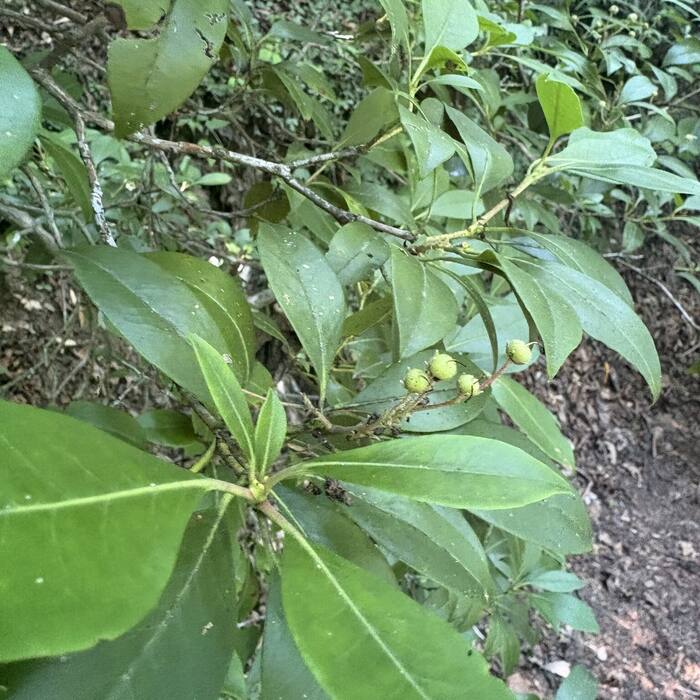
American witch hazel
Hamamelis virginiana
Understory shrub with spidery yellow flowers in late fall and woody capsules that fling their black seed.
Best bet: Ground layering next spring; go back late Aug–Sep for ripe seed.
 02
02
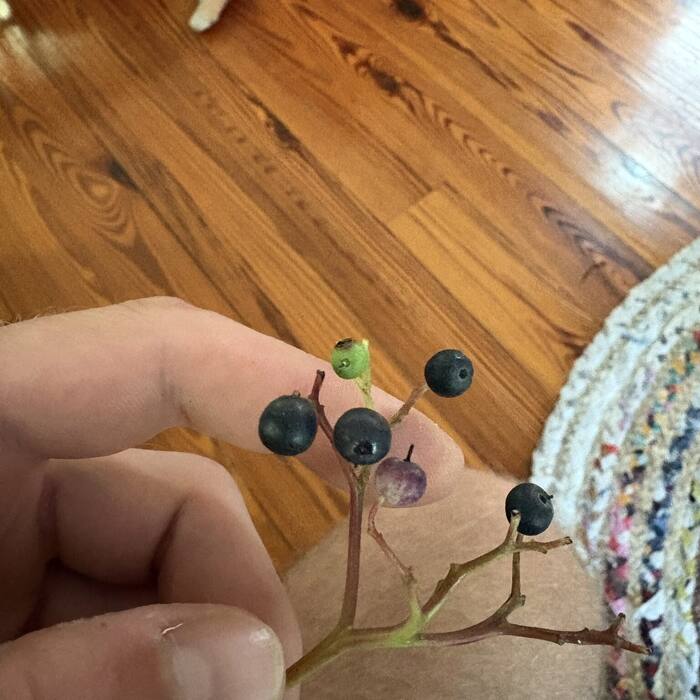
Mountain laurel
Kalmia latifolia
Evergreen heath of the escarpment. Hard to root, slow from seed, and it wants acidic, sharply drained soil.
Best bet: Take semi-hardwood cuttings now (wound + 1% IBA + humidity/heat); go back Sep–Oct for mature seed; peg a layer as insurance.
 03
03
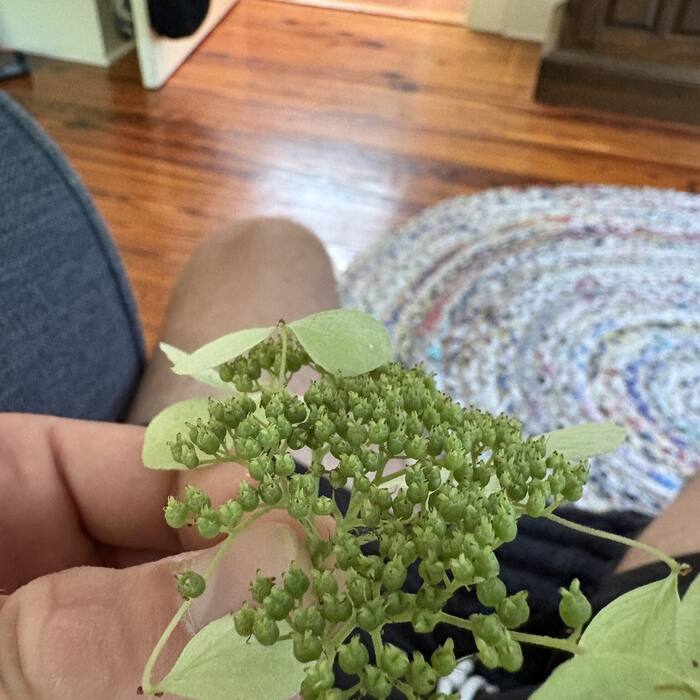
Alternate-leaf (pagoda) dogwood
Cornus alternifolia
The only alternate-leaved dogwood in the east. Coral pedicels, blue-black fruit, ripe the day I collected it.
Best bet: Sow cleaned blue-black drupes fresh now, outdoors for the warm-then-cold cycle; hedge with softwood cuttings.
 04
04
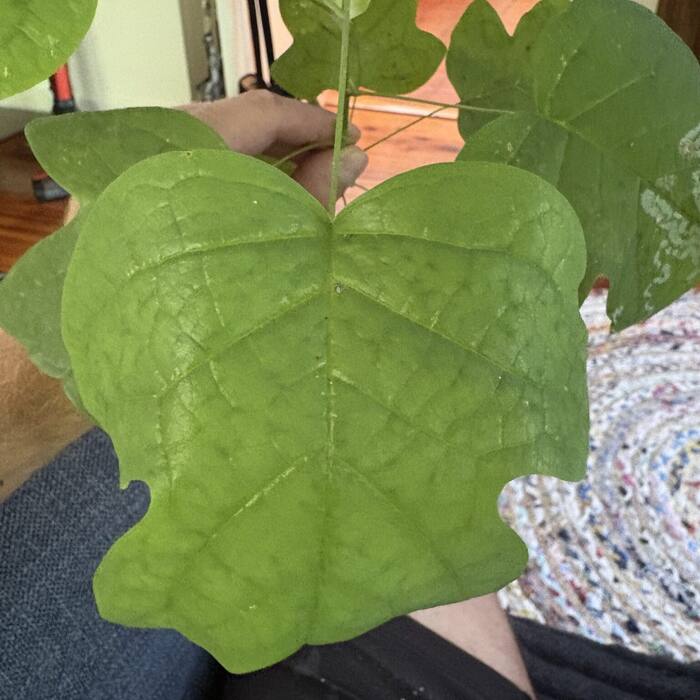
Wild hydrangea
Hydrangea arborescens complex
Wild hydrangea of moist coves. Roots easily from summer cuttings, which is the payoff for a July collection.
Best bet: Root softwood node cuttings from the collected stem now. Fast, easy, good odds.
 05
05
Canada moonseed
Menispermum canadense
Twining native vine with a bright-yellow creeping rhizome. Easy to divide, toxic, and aggressive.
Best bet: Pot the rooted rhizome segment now; establishment is near-guaranteed.
 06
06
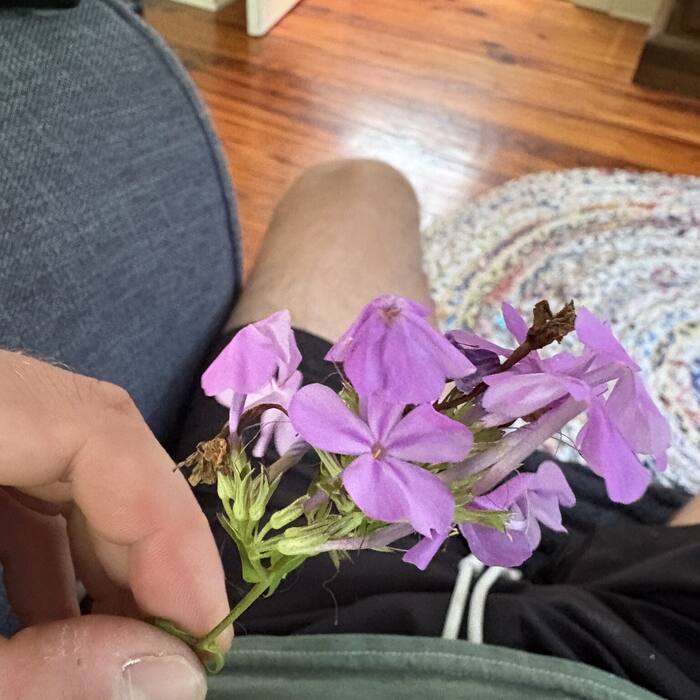
Carolina phlox
Phlox carolina
Tall, mildew-resistant native phlox for pollinators. Collected as flowering stems, best cloned from softwood cuttings.
Best bet: Root softwood stem cuttings today: recut under water, strip flowers, IBA, humidity dome.